

Understanding TNUoS and Rising Business Electricity Standing Charges
From 1st April 2026, business electricity standing charges are set to increase following the publication of confirmed Transmission Network Use of System (TNUoS) charges by the National Energy System Operator (NESO). These charges fund the UK’s transmission grid and apply to all businesses regardless of electricity consumption.
This article explains what’s changing, why costs are rising, and what you can do to prepare.
Update - January 2026
Since this article was first published, NESO has released the confirmed TNUoS charges for the April 2026 to March 2027 period. While the final increases are lower than earlier forecasts, they still represent a significant rise year on year.
This page has been updated to reflect the latest confirmed figures and what they mean in practice for business energy bills.
Key takeaways
-
Business electricity standing charges will rise significantly from April 2026.
-
NESO has now confirmed that TNUoS charges will increase by around 54% on average compared to 2025/26 rates
-
For a typical HV1 band supply, that’s an extra £10.01 a day, or around £3,653 per year.
-
Earlier forecasts suggested higher increases, but the confirmed rates are still materially higher year on year.
-
Supply agreements with non-commodity charges as pass-through will see the increase reflected on invoices from 1st April 2026.
-
Fixed-price customers are likely to see the impact at renewal, although some suppliers may reopen contracts to pass on the increase.
-
Looking further ahead, forecasts suggest TNUoS charges could double again by 2030/31.
What’s changing and when?
The NESO has confirmed that from 1st April 2026, business electricity standing charges will increase following higher TNUoS charges. On average, charges will rise by around 54%, compared to 2025/26 levels.
For a HV1 supply, this equates to an increase of £10.01 per day, or £3,653 per year, representing a 68% increase on current rates.
While earlier forecasts had suggested a larger increase, the confirmed figures still represent a significant year-on-year rise and will apply from April 2026, giving businesses greater certainty as they plan budgets and procurement strategies.
Why are costs rising?
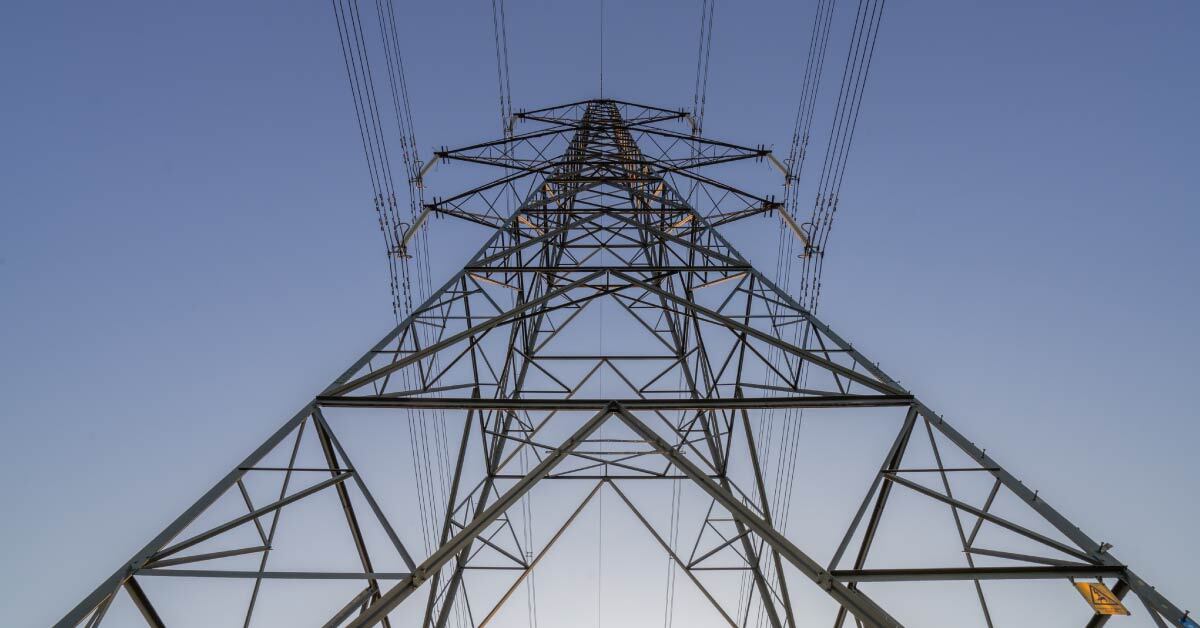
The key driver of this increase is higher TNUoS charges. These cover the costs of operating, maintaining, and upgrading the UK’s electricity transmission system.
As the country accelerates towards net zero, more renewable generation is being built in remote areas, far from the demand centres. Delivering that power requires significant grid reinforcement. Under the new RIIO-ET3 price control, transmission operators have higher revenue allowances to fund this investment, and those costs flow through to customers as TNUoS charges, which in turn push up standing charges.
What is RIIO-ET3?
RIIO-ET3 is Ofgem’s next five-year price control for electricity transmission (2026–2031). It sets how much revenue network companies can recover to fund upgrades to the UK grid. Those higher costs are passed through as TNUoS charges, which sit behind the rising business electricity standing charges from April 2026.
Who will be most affected?
Pass-through contracts – Non-energy costs, including TNUoS charges, are itemised and passed directly through to invoices. This means businesses on these contracts will see the confirmed increase applied from April 2026.
Fixed contracts – These normally bundle in non-energy costs, shielding customers until their next renewal. However, some suppliers include clauses that allow them to reopen fixed deals if there’s a major regulatory change, meaning some fixed contract customers could see higher costs sooner than expected.
Contract considerations
Review your terms now. Check whether your supplier has the right to pass on TNUoS-driven increases mid-contract. Knowing your position helps avoid unwelcome surprises and gives you time to plan.
What businesses should do now?
While the confirmed increases are lower than earlier forecasts, they are now locked in for April 2026 and remain significant. With longer-term rises still expected, businesses that act early will be better placed to manage costs and avoid surprises.
-
Understand your exposure – Break down bills to see how much comes from standing charges and TNUoS.
-
Review procurement strategy – Engage early with suppliers or consultants to understand your options and timing.
-
Plan mitigation – Consider on-site renewable energy generation, energy efficiency, or demand flexibility to reduce exposure.
-
Budget ahead – Build updated assumptions into budgeting forecasts and communicate likely impacts internally.
Looking ahead
Standing charges — and the TNUoS costs that underpin them — are set to keep rising as the UK modernises its electricity grid. While this investment supports a more resilient, low-carbon system, it comes with added costs for businesses. Those that prepare now, by aligning energy procurement with long-term strategy and resilience goals, will be better placed to manage risk and turn challenges into opportunities.
Need support? We’re here to help
Want clarity on how rising standing charges and TNUoS costs will affect your organisation? Our experts can help you model the impact, review procurement options, and put a strategy in place to protect your budget while supporting your purchasing strategy. Get in touch today.
Final thoughts
Standing charges may not have made the mainstream headlines yet, but with TNUoS charges now confirmed to be rising, they’re fast becoming a major cost driver for UK businesses. By staying informed, reviewing contracts, and planning ahead, you’ll be ready to manage the impact and move forward with confidence.